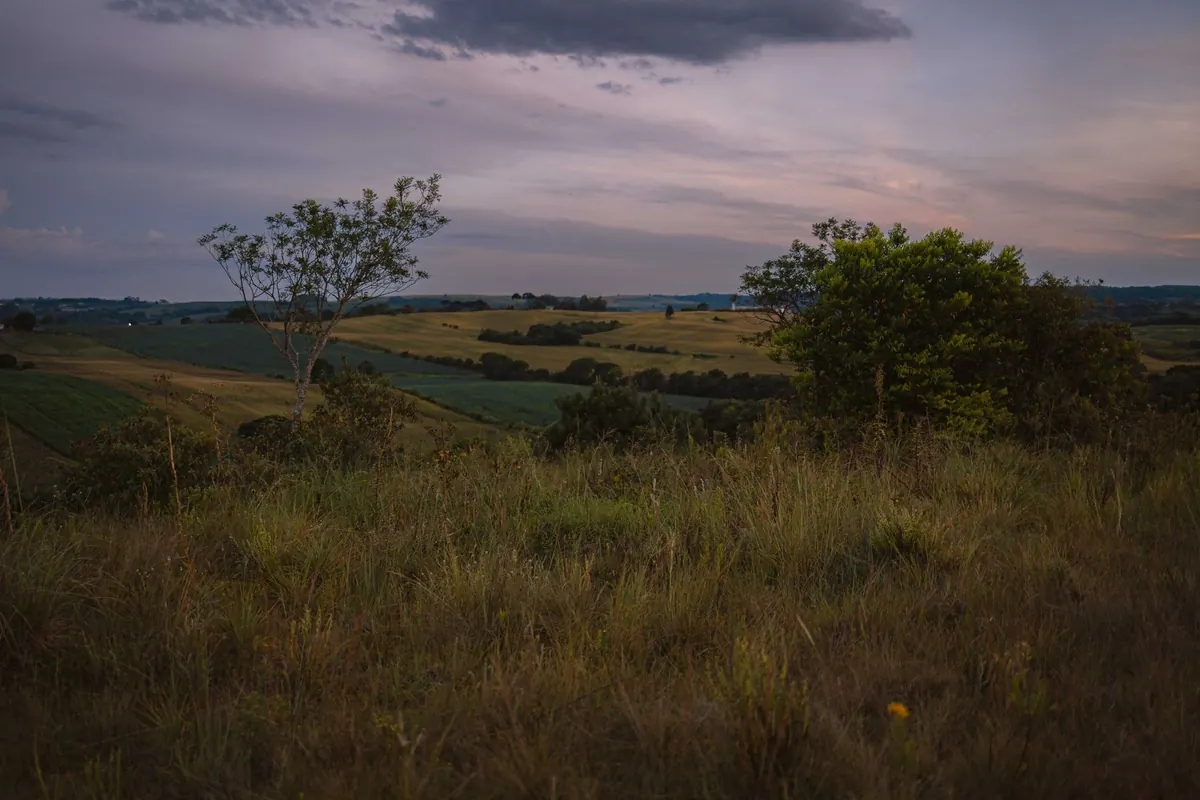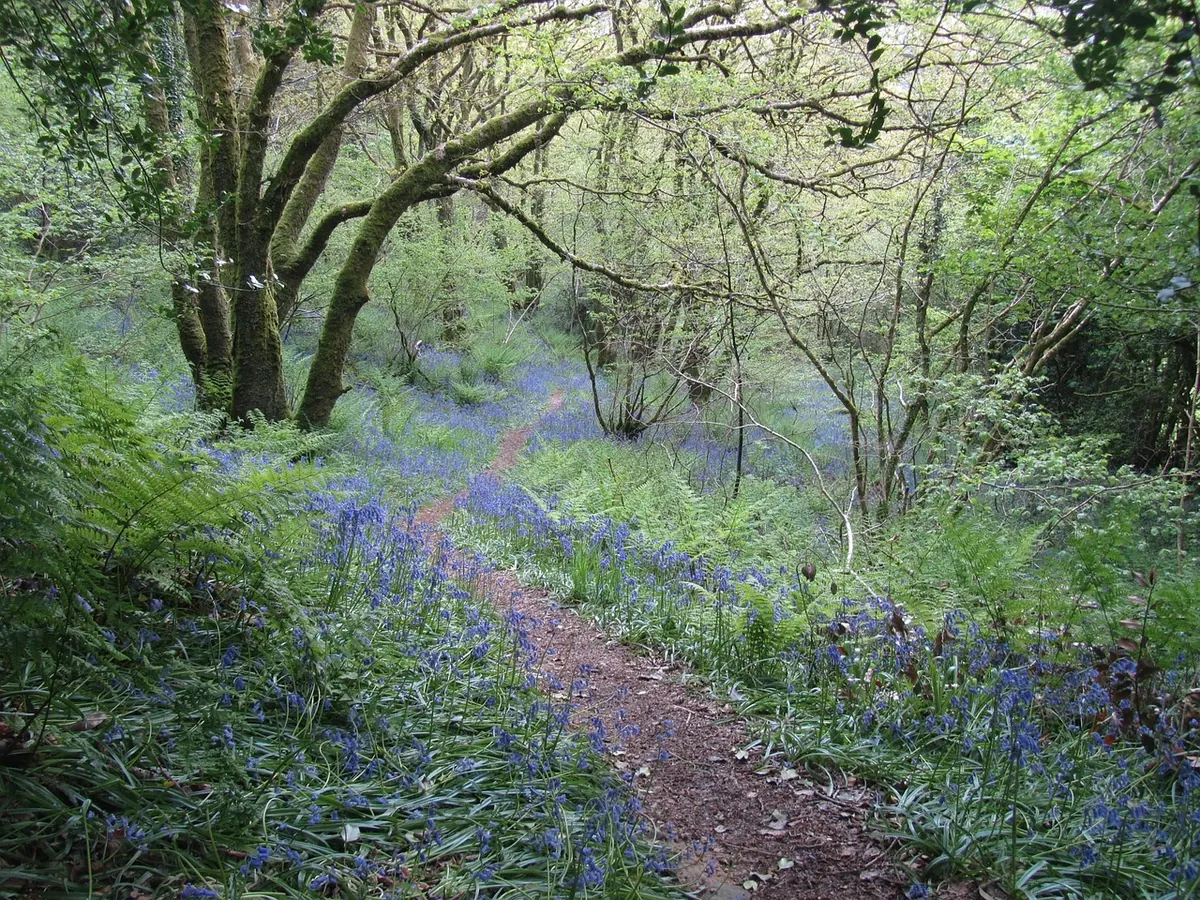
Badgers are not looking for a garden makeover. They are looking for worms, water and a quiet route through the dark. Get those things right and you can support your local clan without turning your lawn into a quarry or your fence into a suggestion. The trick is to make your garden useful on the way through, not irresistible as a place to stop and dig.
Badgers are creatures of habit. They follow scent trails and ancient paths, often the same route night after night. A garden on one of those routes will get visitors whether you invite them or not. What they want is simple: earthworms, beetles, fallen fruit, a drink, and cover to move under. What they do not need is a permanent home in your borders.
A sett is a serious excavation—tunnels, chambers, spoil heaps—and badgers usually choose well-drained banks in woodland, hedgerows or quiet field edges. Your garden is more likely to be a café and a corridor than a maternity ward. That is good news. You can provide the café without building the hotel.
The best badger-friendly planting is a bit scruffy and very British. Think native shrubs, fruit trees, and flowers that feed the insects badgers eat. A mixed hedge of hawthorn, blackthorn, hazel and field maple gives cover and autumn berries. Leave windfall apples and pears on the ground. Plant soft fruit—raspberries, blackberries, wild strawberries—and let a few go unpicked. Clover and fescue make a tougher lawn that tolerates foraging better than a manicured strip.
Avoid leaving deep, undisturbed soil banks or piles of sand and rubble against a quiet boundary. Those are exactly the conditions a badger might investigate for a sett. Keep compost heaps turned and do not let them become a permanent, undisturbed mound in a corner. You want the garden to feel open and used, not like a building plot waiting for a tenant.
A badger is a strong animal with a low centre of gravity and a talent for tunnelling. A fence that keeps out a rabbit will not stop a badger. If you want to protect a lawn or a vegetable bed, you need a badger-proof barrier: wire mesh buried with an L-shaped return at the bottom, and a firm top. But if you are happy for badgers to pass through, do not seal every gap. Leave a deliberate corridor instead.
Use welded wire mesh rather than flimsy netting. Bury the bottom of the mesh at least a spade’s depth and bend it outwards to form an L. Fix the top securely to a gravel board or rail. Check the whole line after storms and in autumn, when badgers are often more active. A half-hearted barrier invites more digging, not less.
A gap under a gate, a tunnel through a hedge, or a purpose-built badger gate gives them a safe route and reduces the chance they will force their own. Keep the crossing point clear of pots, bins and tangled netting. Walk your boundary at dusk now and then. Look for worn paths, latrines and snagged hair. Those signs tell you where the animals already want to go.
Badgers are nocturnal and rely on smell and hearing. Bright security lights, especially motion-triggered floods, can startle them and break their routine. Use warm, downward-facing lights on short timers, or better, leave the garden dark. Remove netting, wire and garden twine that can tangle them. A shallow dish of fresh water at ground level is one of the kindest things you can offer, especially in dry spells.
Do not leave out milk, bread, cooked meat or sugary food. Feeding badgers directly can make them dependent, attract rats and foxes, and bring them into conflict with neighbours. Feed the garden, not the badger. If you want to watch them, use a red-filtered torch and keep your distance. A quiet garden with a little water and plenty of natural food is far better than a nightly banquet.
A badger digging for worms leaves small conical pits and rolled-back turf. It looks dramatic but is usually shallow. You can reduce the damage by improving drainage, aerating the lawn, and brushing in a little sharp sand. Keep the lawn slightly longer in dry weather. If a particular patch is a favourite, consider a sacrificial area: a wildflower strip or a rough grass patch where digging does less harm.
Fences take more punishment. Badgers push and dig at the base. Fit a gravel board, reinforce the bottom with wire mesh, and bury the mesh below the soil line. If a badger is using a shed or decking as a daytime resting place, block it only when you are certain no animal is inside. Never block a sett entrance. If you suspect a sett, stop and get advice.
This is the point to pause. A few nights of digging does not mean a sett. But fresh spoil heaps, a large hole with a worn path, bedding, and latrines nearby are signs of serious interest. Badgers and their setts have legal protection in the UK. You cannot lawfully damage, destroy or obstruct a sett, or disturb the badgers inside. Do not fill in holes, pour anything down them, or use ultrasonic deterrents.
Contact your local wildlife trust or a licensed ecologist. They can confirm what is happening and advise on the next step. In the meantime, keep the area quiet, reduce cover, and avoid piling soil or rubble nearby. If the site is unsuitable, badgers often move on themselves. If it is suitable, you may need to plan around them rather than against
Photo: Markus Winkler / Pexels